07 // The AKASHA Kernel
ENERGY-MINIMIZATION COMPUTATION ON PHOTONIC SUBSTRATE
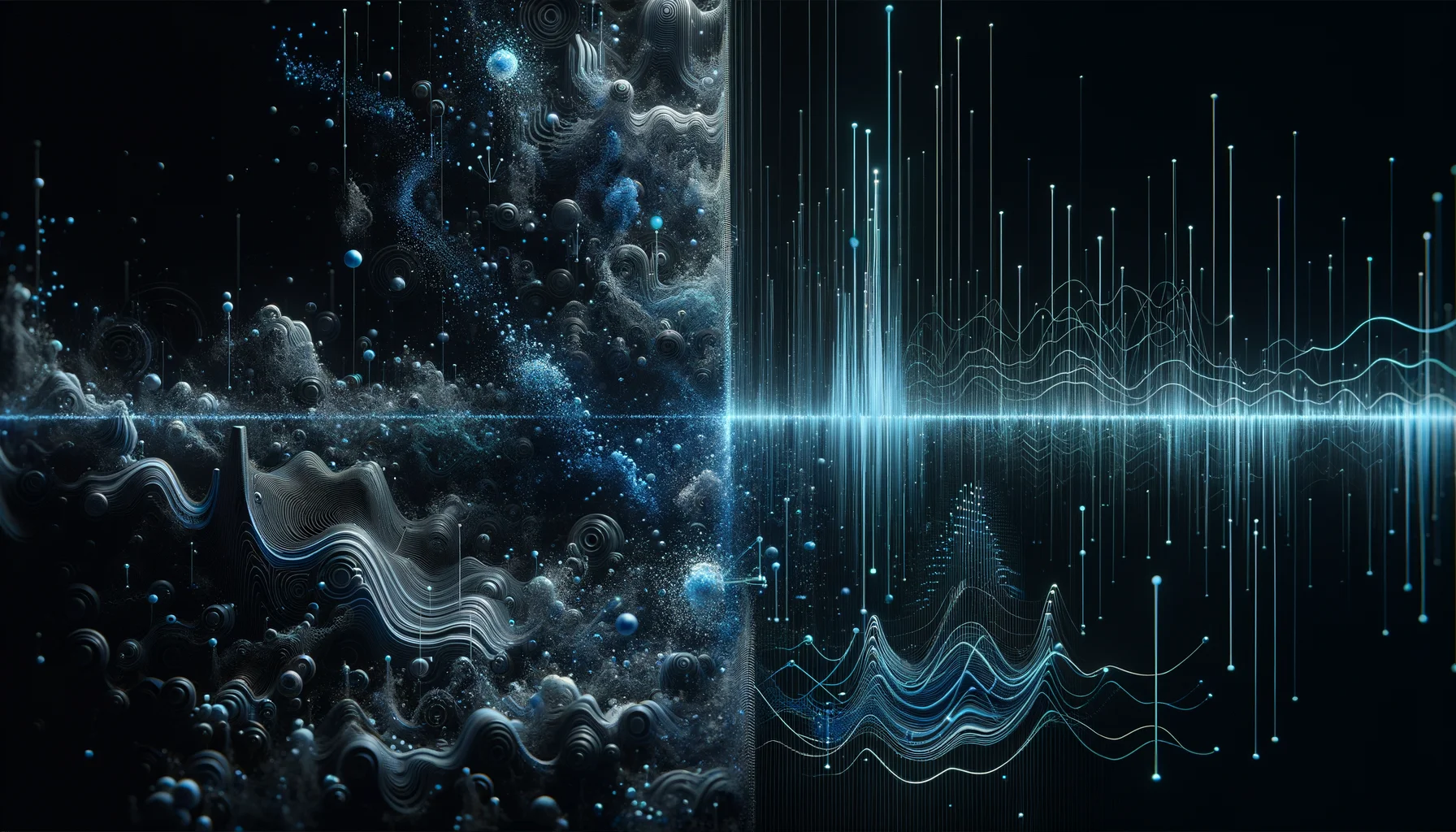
FIG 5.0: AKASHA — PATTERN-MATCHING VIA ENERGY MINIMIZATION
The Aetheric Processor does not execute instructions. It has no instruction set architecture. There is no ISA because there are no instructions.
AKASHA is the computational model native to photonic substrate. It operates on energy minimization: encode the problem into the geometry of an optical field, inject photons, let interference patterns form between competing solutions, and read the lowest-energy configuration as the answer. The physics computes. The substrate does not implement the logic — it is the logic.[18]
Three phases define the computational cycle:
This model maps to a class of problems that sequential processors handle poorly: combinatorial optimization (encode the cost function as the energy landscape), neural network inference (Mach-Zehnder meshes implement matrix multiplication at the speed of light), and pattern recognition (holographic correlation matching in a single optical pass). AKASHA is not a general-purpose replacement for von Neumann computation. It is a physics-native accelerator for problems whose structure matches the structure of light.[17]
The long-horizon interface target is Brainwave Systems. A Brainwave neural interface sends a pattern of neural oscillations; AKASHA maps those oscillations to a photonic field configuration; the response emerges as a photonic pattern that Brainwave re-encodes into neural stimulation. The interface between human cognition and photonic computation is continuous and bidirectional. Practical latency is bounded by the Brainwave hardware (200–500 ms for intent-to-action), not by the photonic core.